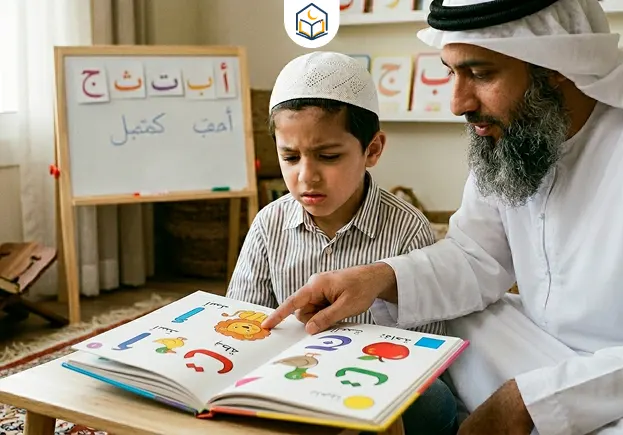
Learn to Recite Quran Properly: A Clear Guide for UK Learners
Learning to recite the Quran properly is one of the most rewarding journeys you can take—whether you’re starting from scratch or correcting habits you picked up over the years. And the good news? With the right steps and guidance, anyone in the UK can build accurate, confident, and beautiful recitation.
Why Proper Quran Recitation Matters for Every Learner
Understanding why recitation accuracy is important helps you stay motivated and consistent as you work to Learn to recite Quran properly.
- Proper recitation helps you understand the true meaning of verses, since a single mispronounced letter can change the entire meaning of a word.
- It improves your connection with prayer (Salah), because clear and correct recitation brings presence, focus, and khushu’.
- Tajweed—the science of reciting correctly—is not about sounding perfect, but about respecting the words of Allah by giving each letter its full right.
- When you recite properly, your confidence grows, especially if you’re reading in front of family, during Taraweeh, or in community settings.
- Correct recitation helps you avoid long-term bad habits that become difficult to fix later, especially for beginners and new Muslims.
- For parents, learning proper recitation sets the example for their children, who often copy the way they hear Quran at home.
- It also opens the door to memorisation (Hifz), because accurate reading makes memorising easier and more stable.
- Finally, proper recitation improves spiritual impact—many people feel more connected and emotionally moved when they read with clarity and correct pronunciation.
The Most Common Mistakes Beginners Make When Learning Quran Recitation

Knowing the mistakes most learners make helps you avoid them early and makes it much easier to Learn to recite Quran properly.
- Many beginners mix up similar Arabic letters—like ص and س، ظ and ز، ق and ك—because English doesn’t have equivalents, making correct pronunciation challenging without guided practice.
- Rushing through verses is extremely common; reading too fast leads to skipping Tajweed rules and misunderstanding the rhythm and beauty of the Quran.
- Misjudging stopping and pausing places (Waqf) changes meaning, especially when someone stops where they should continue or continues where the pause is required.
- Some learners focus only on memorisation and ignore pronunciation, which creates long-term habits that later require unlearning and correction.
- Incorrect Madd (elongation) is another widespread issue—either holding letters too long or too short, which affects fluency and accuracy.
- Beginners often don’t use their breath properly, causing them to stop mid-word or lose control of recitation flow.
- Many rely solely on listening to reciters without understanding the rules behind what they hear, which delays real improvement.
- Some learners feel embarrassed to recite out loud, which limits practice and slows down their progress significantly.
How to Start Improving Your Recitation Step-by-Step
If you want to Learn to recite Quran properly, starting with a simple and structured routine makes the journey much easier.
- Begin by learning the correct Makharij (articulation points), because every Arabic sound comes from a precise position in the mouth or throat — and mastering this alone improves your accuracy dramatically.
- Break your learning into small, daily sessions instead of long weekly sessions; 10–15 minutes a day is more effective than one long lesson with no practice afterwards.
- Slow down your recitation intentionally — rushing hides mistakes, while reading slowly helps you notice errors and develop control.
- Use recordings of yourself to track your progress; listening to your own voice makes it incredibly easy to spot recurring mistakes or weak points.
- Choose one rule of Tajweed at a time (like Madd, Ghunnah, or Qalqalah) and practice it consistently instead of trying to master everything at once.
- Read along with a skilled reciter, pausing after every verse to imitate the pronunciation, rhythm, and flow you hear.
- Practice with a Mushaf that uses clear script and colour-coded Tajweed, making it easier to apply rules visually as you read.
- Review what you’ve learned at the end of each week — repetition turns technique into habit.
Essential Tajweed Basics Every Beginner Should Learn First
Understanding a few core Tajweed rules makes it much easier to Learn to recite Quran properly, even if you’re just starting out.
- Start by learning the difference between heavy letters (like ص، ض، ط، ظ، ق) and light letters — this alone greatly improves the sound and balance of your recitation.
- Focus on Madd (elongation): knowing when to stretch a sound for 2, 4, or 6 counts helps your recitation become smoother and more controlled.
- Master Ghunnah early — the nasal sound in letters such as نّ and مّ — because it adds clarity and beauty when applied correctly.
- Learn the basics of Qalqalah (the light echo) in letters like ق، ط، ب، ج، د; this prevents your recitation from sounding flat or weak.
- Pay attention to correct stopping and starting points; proper Waqf and Ibtida help preserve meaning and make your recitation feel natural.
- Practise blending words smoothly without breaking syllables — this builds fluency and prevents choppy reading.
- Understand simple rules like Ikhfa and Idgham; even learning the basics removes 70% of common beginner mistakes.
- Don’t try to learn too many rules at once; pick one rule per week and apply it consistently during your daily reading.
Why Learning With a Qualified Teacher Speeds Up Your Progress
Having a trained tutor guiding you makes it significantly easier to Learn to recite Quran properly, especially when it comes to correcting mistakes you can’t detect on your own.
- A qualified teacher spots pronunciation issues instantly—things your ear may not pick up, especially with similar Arabic letters.
- They offer structured lessons that progress step by step instead of leaving you overwhelmed or confused by too many rules.
- Teachers know how to adjust the pace based on your level; whether you’re struggling with basics or improving fluency, they match your speed.
- Immediate correction during recitation prevents bad habits from forming, saving you months of self-study frustration.
- A tutor helps you stay accountable with regular feedback, weekly goals, and clear milestones so you always know your progress.
- For UK learners, having a teacher experienced with non-Arab accents makes lessons easier, clearer, and more effective.
- Many tutors use digital tools like screen-sharing, recordings, and visual guides to make learning more interactive.
- A professional teacher boosts your confidence—reading aloud becomes easier when someone supportive guides you through every mistake gently.
- Parents especially benefit from qualified teachers for kids, because children need different teaching methods to stay focused, engaged, and motivated during online lessons.
Self-Study vs Learning With a Teacher: What Actually Works?

Many learners try improving on their own, but knowing the difference between self-study and guided lessons helps you Learn to recite Quran properly much faster and with fewer mistakes.
- Self-study is great for practising fluency, but it cannot correct pronunciation errors—especially with Arabic sounds that don’t exist in English.
- Watching YouTube videos teaches theory, but a video can’t tell you if your recitation is correct or needs adjustment.
- Independent learners often miss small Tajweed details like Ghunnah length, Qalqalah intensity, or proper Madd, which affects overall accuracy.
- A teacher provides real-time correction, something no app or recording can fully replace.
- Guided learning usually includes structured lessons tailored to your pace, weaknesses, and goals.
- Self-study requires strong discipline; many learners start well but lose momentum without accountability.
- With a teacher, progress is measurable—regular feedback and visible improvement keep motivation high.
- For kids, self-study rarely works; they need engagement, direction, and consistent encouragement from someone trained to teach young learners.
- The most effective approach is combining both: a teacher for correction + daily self-practice to build fluency and confidence.
A Simple Weekly Plan to Help You Improve Your Recitation Fast
A structured routine helps you stay consistent and makes it easier to Learn to recite Quran properly, even if you have a busy schedule.
- Day 1 – Focus on Pronunciation (Makharij):
Spend 10–15 minutes practising challenging sounds such as Qaf, Qaaf, Dhaad, or heavy vs light letters. Keep it simple and choose only a few letters at a time.
- Day 2 – Apply One Tajweed Rule Only:
Pick a single rule—like Madd (elongation), Ghunnah (nasal sound), or Qalqalah—and practise it in short verses instead of trying to learn everything at once.
- Day 3 – Slow Recitation Exercise:
Read one short page very slowly, focusing on clarity, breathing, and giving each letter its full right. Slow reading reveals mistakes you usually miss.
- Day 4 – Listen and Repeat:
Choose a clear reciter (like Minshawi or Hudhaify), listen to one verse, pause, and repeat it exactly. This improves rhythm, fluency, and ear training.
- Day 5 – Record Your Recitation:
Record yourself reading a short passage. When you listen back, you’ll immediately notice areas that need improvement—this is one of the fastest ways to progress.
- Day 6 – Review and Correct:
Identify recurring mistakes from your recording, such as mispronounced letters or inconsistent elongation. Practise correcting one issue at a time.
- Day 7 – Weekly Revision:
Review everything you learned throughout the week. If possible, share your recitation with a qualified teacher for personalised feedback.
A Quick Checklist to Help You Learn Quran Recitation the Right Way
This simple checklist helps you stay focused and makes it easier to Learn to recite Quran properly without feeling overwhelmed.
- Make sure you’re pronouncing every Arabic letter from its correct Makhraj — even one slight shift can change meaning.
- Keep your pace slow and steady; clarity and accuracy always come before speed.
- Apply one Tajweed rule at a time instead of trying to fix everything in one go.
- Practise with short Surahs first; they help you build confidence and consistency.
- Listen to a clear reciter daily for at least 5 minutes to train your ear.
- Record your voice weekly to track improvement and identify repeating mistakes.
- Use a Mushaf with clear script and colour-coded Tajweed to guide your practice.
- Study with a qualified teacher at least once a week for feedback and correction.
- Stay consistent — even 10 minutes a day is better than one long session once a week.
Marketing Section – Short & Natural
If you’re ready to Learn to recite Quran properly with clarity and confidence, Study Quran At Home makes the process easy.
We connect you with certified, patient teachers who understand UK learners and offer structured lessons, flexible timings, and personalised guidance.
👉 Start today with two free trial classes and feel the difference from your very first session.
If you’re serious about learning how to recite the Quran properly, the right guidance makes all the difference.
At Study Quran at Home, our structured online quran recitation course are designed to help you correct mistakes, apply Tajweed rules confidently, and build strong recitation skills step by step. With experienced tutors and flexible schedules, many UK learners choose this course as the most practical way to improve their Quran recitation at home.
Conclusion – Short
Improving your Quran recitation doesn’t require talent — just the right steps, the right guidance, and steady practice.
With clear methods, a simple routine, and support from a qualified teacher, anyone can build beautiful, accurate recitation at their own pace.
FAQ – Quick Answers to Help You Learn Faster
1. How long does it take to learn proper Quran recitation?
Most learners start seeing real improvement within 4–8 weeks when they practise consistently and follow structured lessons. If you want to Learn to recite Quran properly, focus on small daily habits instead of rushing through long sessions — progress builds faster than you expect.
2. Can I improve my recitation on my own without a teacher?
You can improve your fluency through self-practice, listening, and repetition — but pronunciation mistakes are hard to detect alone. If your goal is to Learn to recite Quran properly, a qualified teacher speeds up correction, builds accuracy, and prevents long-term bad habits.
3. What’s the best way to practise recitation daily?
Keep it simple: pick a short passage, read slowly, record yourself, and repeat with a clear reciter. This routine helps you Learn to recite Quran properly by combining listening, practice, and self-correction — all in just 10–15 minutes a day.