Flexible Scheduling
Choose morning, evening, or weekend classes — whatever fits your routine.

A week before Ramadan, there’s a familiar feeling many of us in the UK recognise.
The supermarkets begin displaying dates near the entrance. School newsletters mention adjustments for fasting pupils. WhatsApp groups light up with timetables for local mosques in London, Birmingham, Manchester and beyond.
And yet, internally, something feels slightly unsettled.
We know Ramadan is close. We’re excited. But if we’re honest, we don’t always feel ready.
If you’ve found yourself searching how to prepare for Ramadan, it likely means you don’t just want to “get through” the month — you want to enter it with clarity, focus, and purpose. You want more than hunger and long evenings. You want spiritual alignment.
So what does real preparation actually look like?
In the UK, Ramadan often arrives in the middle of busy routines — school runs, commutes, exams, deadlines, family responsibilities. Preparation cannot mean retreating from life. It means adjusting how we enter it.
True preparation includes four core areas:
Many of us focus only on emotional motivation — watching reminders, sharing quotes, feeling inspired. That is beautiful and important. But without knowledge and structure, motivation fades quickly.
Preparation is not about doing everything perfectly from day one. It’s about entering Ramadan informed and intentional.
Fasting is not simply abstaining from food and drink. It is restraint of the tongue, the eyes, the thoughts, the reactions.
Spiritual preparation for Ramadan begins by asking:
In the UK especially, our routines are structured around work schedules and digital habits. If we do not consciously reduce distractions before Ramadan begins, the month will pass quickly between screens and fatigue.
Start small:
These small adjustments soften the transition into fasting days.
Ramadan does not magically change our habits on day one.
If we sleep at 1am regularly now, suhoor will feel harder.
If we skip prayers now, fasting won’t automatically fix that.
If we rarely open the Qur’an, reading a juz daily will feel overwhelming.
In the UK summer months, fasting hours can be long. Even in shorter seasons, balancing work and school requires energy management. Preparation is practical, not theoretical.
This is an area many people overlook.
We often assume we know how to fast because we have fasted before. But when questions arise — about travel, medication, intention, missed fasts, working long shifts — uncertainty appears.
Entering Ramadan without understanding basic rulings can lead to:
The importance of learning Islamic studies becomes especially clear here. Ramadan is an act of worship, and worship is built on knowledge.
You do not need to become a scholar. But understanding:
— provides confidence and peace.
Many adults in the UK realise they learned the basics as children but never revisited them. This is where a structured refresher, such as an accessible Islamic Studies Course, can make a significant difference before Ramadan begins.
Knowledge protects worship.
One of the most common areas of confusion each Ramadan is niyyah for fasting.
Niyyah simply means intention. It is the conscious decision in your heart that you are fasting for the sake of Allah.
It is not a long verbal statement.
It is not a complicated formula.
It is not something that must be announced aloud.
In simple terms:
If you wake up for suhoor knowing you are fasting Ramadan for Allah, that is your niyyah.
Fasting without intention is not valid worship. Intention distinguishes:
Niyyah transforms an empty stomach into an act of obedience.
Many people in the UK ask:
Without entering deep legal debate, the safe and simple approach is:
Make a conscious intention in your heart each night that you are fasting the next day of Ramadan. It can be brief and silent.
The purpose is awareness — not ritualised wording.
When knowledge clarifies this, unnecessary worry disappears.
Understanding the virtues of Ramadan strengthens preparation.
Ramadan is:
But beyond these well-known virtues, there is something else:
Ramadan is a training ground.
It teaches discipline.
It teaches empathy.
It teaches self-restraint.
It teaches awareness of time.
When you prepare properly, you maximise these virtues. When you drift into Ramadan unprepared, you often spend the first ten days “adjusting”.
Preparation allows you to start strong.
Because Ramadan magnifies what you already have.
If you have strong foundations, it elevates you.
If you lack clarity, it exposes gaps.
Islamic knowledge ensures:
For families in the UK raising children in a non-Muslim majority environment, Ramadan becomes a powerful teaching moment. Children ask questions:
If parents feel unsure in their own knowledge, those moments can feel uncomfortable.
This is why structured learning matters — not only for adults but for families. An islamic studies course for beginners can provide clarity in a simple, practical way without overwhelming detail.
If Ramadan begins in one week, here is a manageable approach:
Write down:
Keep it realistic.
Spend 30 minutes reviewing:
Remove confusion before the month begins.
Go to bed 30 minutes earlier.
Reduce late-night screen time.
This small shift prevents exhaustion in week one.
Read even half a page.
Listen to a short recitation on your commute.
Consistency matters more than quantity.
Set app limits.
Remove one unnecessary habit.
Ramadan magnifies what you consume — digitally and spiritually.
If you have children:
Preparation is collective.
Ask for:
Entering Ramadan with du’a is itself preparation.
Many Muslims in the UK want to improve but don’t know where to begin. Self-study helps, but without guidance, confusion can remain.
Structured learning — especially personalised one-to-one lessons — provides:
Study Quran at Home Academy offers personalised learning with qualified male and female teachers, flexible UK-friendly scheduling, and a free trial lesson. For families and adult beginners, this kind of structured support can create confidence before Ramadan begins rather than waiting until after it ends.
The goal is not intensity. The goal is clarity.
Preparation is not about perfection.
It is about reducing avoidable mistakes.
It is about aligning intention.
It is about strengthening foundations.
Ramadan will still challenge you.
Work will continue.
School will continue.
Life in the UK will continue.
But when you prepare intentionally, you are not scrambling in the first week. You are steady.
And steadiness is powerful.
If you have been meaning to strengthen your understanding of fasting, salah, or Qur’anic recitation, the week before Ramadan is the ideal moment to begin structured learning. Even a small step now can transform the entire month.
Ramadan rewards preparation.
Ideally, preparation begins at least one to two weeks before Ramadan. Even a few days of intentional adjustment can make a noticeable difference in energy and focus.
No. Niyyah for fasting is a matter of the heart. A conscious decision to fast for Allah is sufficient.
It is important to review the basics before Ramadan. Simple structured learning can remove confusion and prevent mistakes.
Gradual sleep adjustment, hydration planning, and reducing late-night distractions before Ramadan help maintain energy levels during work hours.
It is not obligatory, but gaining essential knowledge strengthens your worship and provides confidence — especially for families guiding children through the month.
Ramadan is approaching.
Instead of hoping you feel ready when the moon is sighted, take deliberate steps now. Knowledge, intention, and small habit changes can transform your experience from routine fasting into meaningful worship.
Prepare with purpose — and enter the month with clarity.
Begin your spiritual with personalized one-on-one classes from expert tutors.
Book a Free Trial Class
Learning Quran reading takes time, consistency, and proper guidance. This article explains realistic timelines for children and adults, the stages of Quran reading development, and how structured lessons and Tajweed correction help learners build confidence and fluency step by step.
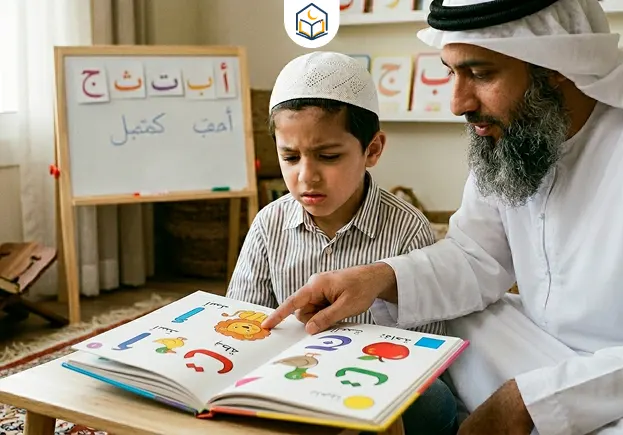
There’s a particular moment I see again and again in early lessons.
A child has memorised the shapes. They can sing the letters in order. They proudly say, “Alif, Baa, Taa…” without hesitation.

Many UK parents imagine something vague when they hear the phrase How Online Quran Classes Work. A child in front of a laptop. A teacher somewhere abroad. Perhaps reading a few verses. Maybe correcting mistakes.
But that picture is incomplete.
Flexible online Quran classes for kids and adults — taught by certified teachers in the UK.
Choose morning, evening, or weekend classes — whatever fits your routine.
Kids, adults, beginners, reverts — everyone is welcome.
Personalized lessons designed to match your goals.
Start with two free classes — no commitment needed.
