Flexible Scheduling
Choose morning, evening, or weekend classes — whatever fits your routine.

Learning How to Learn Quran Reading Step by Step means starting with Arabic letters, learning their correct pronunciation, and gradually moving toward reading words and verses with clarity.
For non-Arabic speakers, this process becomes easier when learning follows a clear order and includes regular correction, not just repetition.
For many English-speaking Muslims in the UK, learning How to Learn Quran Reading Step by Step feels difficult at first because Arabic sounds and letter shapes are unfamiliar.
From teaching Quran reading to beginners, one thing becomes clear: progress improves when learners understand why each step matters, not just what to read.
| Learning Stage | What the Learner Focuses On |
|---|---|
| Arabic letters | Recognition and basic sounds |
| Pronunciation | Correct Makharij |
| Joining letters | Reading connected words |
| Harakat | Short vowel accuracy |
| Short verses | Careful, clear recitation |
Quran reading always starts with the Arabic alphabet. Arabic has 28 letters, and many look similar but sound different.
At this stage, learners should focus on:
From experience, learners who rush this step often struggle later with pronunciation and fluency.
Each Arabic letter is pronounced from a specific place in the mouth or throat, known as Makharij (articulation points).
Many non-Arabic speakers struggle most here, especially with throat letters such as ع (‘Ayn) and ح (Haa), when learning without feedback. If these sounds are learned incorrectly early on, they often become habits that are hard to correct later.
This is why careful listening and correction matter more than speed at this stage.
Once letters and basic pronunciation are understood, learners begin joining letters to form words.
This step teaches learners to:
In real teaching settings, this is where learners often feel both progress and frustration at the same time.
Harakat are the small vowel marks that guide pronunciation. They show how a word should be read and help prevent mistakes.
Beginners learn:
Learners who skip this step often read words incorrectly even if they recognise the letters.
At this stage, learners begin reading short verses from the Quran.
Reading is still slow, but accuracy becomes clearer. From teaching experience, learners who repeat the same short verses daily improve more steadily than those who constantly jump ahead.
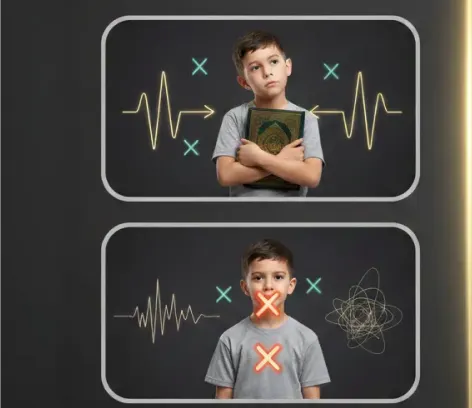
Learning Quran reading for beginners comes with predictable challenges, especially for non-Arabic speakers.
Letters like ب (ba), ت (ta), and ث (tha) are commonly confused. This usually happens when pronunciation is not corrected early.
Some learners memorise verses and recite them without actually reading the words. This delays real reading ability.
While Tajweed should be introduced gradually, avoiding it completely leads to unclear recitation.
| Common Mistake | Correct Approach |
|---|---|
| Confusing similar Arabic letters | Learning letters with proper pronunciation from the beginning |
| Reading too fast to sound fluent | Reading slowly with focus on accuracy |
| Memorising verses without reading | Reading directly from the Mushaf |
| Ignoring Tajweed completely | Applying basic Tajweed gradually |
Tajweed means applying basic rules that protect the sound and flow of Quran recitation.
For example, without basic Tajweed guidance, learners may shorten sounds that should be stretched or stop incorrectly at the end of verses, which affects both meaning and rhythm.
In teaching settings, these issues appear frequently among learners who practise alone without correction.
Tajweed does not need to be complex at the beginning, but it should never be absent.
Based on real classroom experience, these approaches help learners progress more smoothly:
Learners improve most when accuracy and understanding develop together.
Self-study can introduce letters and sounds, but many learners struggle to recognise their own errors.
Structured learning helps by providing:
At this stage, many learners benefit from having a teacher listen and gently correct pronunciation before mistakes become habits.
This is where online quran recitation course often support learners in moving from basic reading to more confident recitation.
| Self-Study | Guided Learning |
|---|---|
| Learner may not notice mistakes | Mistakes are corrected immediately |
| Progress depends on guesswork | Clear learning sequence |
| Pronunciation issues may persist | Proper habits built early |
| Motivation can drop | Consistent structure and support |
At Study Quran at Home we help learners build Quran reading skills gradually, with real-time pronunciation correction, clear progression, and patient guidance.
Many learners find that having structured guidance at this stage helps them apply what they already know more accurately and avoid repeating the same reading mistakes.
| Beginner Stage | Next Learning Stage |
|---|---|
| Reading letter by letter | Smoother word recognition |
| Frequent pauses | More natural flow |
| Heavy focus on accuracy | Balanced accuracy and fluency |
| Needs constant correction | Builds confidence gradually |
This varies by consistency and guidance. Some learners read basic verses within a few months, while others need more time. Regular practice matters more than speed.
Yes. Many adult learners successfully learn Quran reading step by step, even with no prior Arabic knowledge.
Basic Tajweed should be introduced early but gently. It helps prevent long-term pronunciation issues.
Short daily sessions are more effective than long, irregular ones, especially for building accuracy.
Do beginners need a teacher to start reading Quran?
Beginners can start learning Arabic letters on their own, but many struggle to recognise pronunciation mistakes without feedback. Having a teacher early on often helps learners build correct reading habits from the beginning.
Begin your spiritual with personalized one-on-one classes from expert tutors.
Book a Free Trial Class
Learning Quran reading takes time, consistency, and proper guidance. This article explains realistic timelines for children and adults, the stages of Quran reading development, and how structured lessons and Tajweed correction help learners build confidence and fluency step by step.
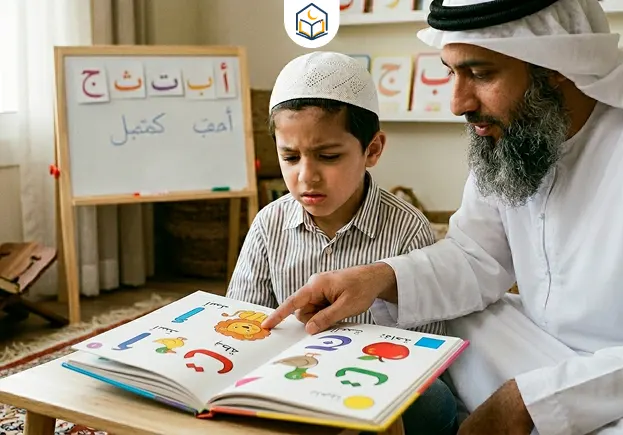
There’s a particular moment I see again and again in early lessons.
A child has memorised the shapes. They can sing the letters in order. They proudly say, “Alif, Baa, Taa…” without hesitation.

Many UK parents imagine something vague when they hear the phrase How Online Quran Classes Work. A child in front of a laptop. A teacher somewhere abroad. Perhaps reading a few verses. Maybe correcting mistakes.
But that picture is incomplete.
Flexible online Quran classes for kids and adults — taught by certified teachers in the UK.
Choose morning, evening, or weekend classes — whatever fits your routine.
Kids, adults, beginners, reverts — everyone is welcome.
Personalized lessons designed to match your goals.
Start with two free classes — no commitment needed.
