Flexible Scheduling
Choose morning, evening, or weekend classes — whatever fits your routine.

One of the most honest questions I hear from learners is this: “I’ve started… but how long is this actually going to take?”
It usually comes after the first few lessons — when the excitement fades slightly and the reality of letters, sounds, and corrections begins to sink in.
If you are wondering how long does it take to learn Quran reading, the short answer is:
But that answer only makes sense when we understand what “learning to read” really means. Because Quran reading is not just recognising letters — it is about pronunciation accuracy, recitation fluency, listening correction, and structured progression.
And that is where most beginners underestimate the journey.
In early lessons, progress feels painfully gradual.
You might spend an entire week just on:
Many learners — especially adults — feel frustrated here. Children, on the other hand, often become distracted because the pace feels repetitive.
Arabic letters change shape depending on where they appear in the word.
Some letters sound very similar to English sounds — others don’t exist in English at all.
Without proper correction, learners:
This stage typically lasts:
The key factor is not intelligence. It’s consistency and guided listening correction.

Here is where many learners think they are “done” — but they are not.
Once you can recognise letters and read slowly, the real work begins:
refining sounds and applying Tajweed naturally.
This is the stage where:
And this is why learning Quran reading is different from reading any other language. Precision matters.
If learners move too quickly:
In teaching situations, I often see learners who “can read” but struggle to read correctly. Fixing this takes longer than learning properly from the start.
This middle stage usually lasts:
In UK households, learning often happens after school or on weekends. Timing and mental energy matter more than parents realise.
Children absorb sounds quickly. Their pronunciation muscles are flexible. However:
With two consistent lessons per week and guided homework, many children reach smooth reading within 12–18 months.
Adults understand rules faster. But they:
Adults may progress steadily but need emotional reassurance. With structured learning, adults often gain solid reading skills within 9–18 months, depending on commitment.
This is one of the biggest misunderstandings.
Self-practice is important. But without listening correction, learners don’t hear their own mistakes.
No correction → Small pronunciation errors remain
Repeated errors → Habits form
Habits form → Fluency develops on a weak foundation
Weak foundation → Progress slows later
In contrast:
Guided correction → Immediate adjustment
Immediate adjustment → Clean pronunciation
Clean pronunciation → Natural fluency
Natural fluency → Confidence building
This is why structured learning makes such a difference. Even one weekly session with proper feedback changes the timeline dramatically.
Below is a general guide. Every learner is unique, but this shows realistic expectations.
| Stage | What the Learner Can Do | Approximate Time |
| Letter recognition | Identify and pronounce individual letters | 1–3 months |
| Basic word reading | Read joined letters slowly | 2–6 months |
| Sentence reading | Read short verses with pauses | 6–12 months |
| Controlled fluency | Read smoothly with basic Tajweed | 9–18 months |
| Confident recitation | Read comfortably with correction awareness | 1–2+ years |
Notice something important:
Fluency comes after structured repetition, not before.
Parents often ask:
“When should my child start memorisation?”
“When can we move to Tajweed rules?”
A learner is ready to move forward when:
Rushing to memorisation before reading stability leads to frustration. Memorisation relies heavily on pronunciation accuracy.
In the UK especially, families juggle school, homework, and extracurricular activities. Learning Quran must fit into real life.
A scattered approach — switching teachers, skipping weeks, irregular timing — extends the timeline.
A structured curriculum does the opposite.
At Study Quran at Home, learners follow a personalised curriculum designed around step-by-step progression, with qualified male and female teachers providing one-to-one live lessons. Each student receives consistent listening correction, progress tracking, and clear learning milestones. Parents can also begin with a free trial lesson to understand how the structure works before committing.
This kind of structured support reduces wasted months and builds confidence steadily.
If you are exploring structured online quran recitation course for your child or yourself, guided one-to-one correction often shortens the journey significantly compared to isolated self-study.
Progress slows when:
In many UK households, learning happens after a long school day. Energy levels matter. Short, focused sessions are better than long, exhausting ones.
Remember: steady progress beats rushed progress.
One part people rarely talk about is confidence.
Children hesitate when constantly corrected without encouragement.
Adults feel embarrassed mispronouncing letters.
Confidence building is not separate from reading skills — it supports fluency directly.
When learners feel safe:
When learners feel judged:
Learning Quran reading is not just technical. It is emotional and spiritual.

It depends on:
For most learners in the UK:
But here is the most important truth:
It is not a race.
The goal is not speed.
The goal is clear pronunciation, recitation fluency, and confidence in reading the Book of Allah correctly.
Some children can learn basic word reading in 6 months with consistent lessons. However, confident and fluent recitation usually takes longer — often 12 months or more.
Adults may take slightly longer with pronunciation because certain Arabic sounds are new. However, adults often understand rules faster and can progress steadily with structured support.
Two lessons per week with regular practice in between is usually effective. Consistency matters more than intensity.
You can start alone, but without listening correction, pronunciation mistakes often go unnoticed. A teacher helps prevent long-term errors.
Memorisation should begin once the learner reads smoothly without guessing and can apply basic pronunciation rules correctly.
Learning Quran reading is achievable. It unfolds step by step. Mistakes are normal. Slow weeks happen.
What matters most is steady, structured progression and patient guidance.
If you or your child are at the beginning of this journey, start calmly, seek proper support, and remember: every correctly pronounced letter is progress — even when it feels small.
And sometimes, the journey itself is the blessing.
Begin your spiritual with personalized one-on-one classes from expert tutors.
Book a Free Trial Class
Learning Quran reading takes time, consistency, and proper guidance. This article explains realistic timelines for children and adults, the stages of Quran reading development, and how structured lessons and Tajweed correction help learners build confidence and fluency step by step.
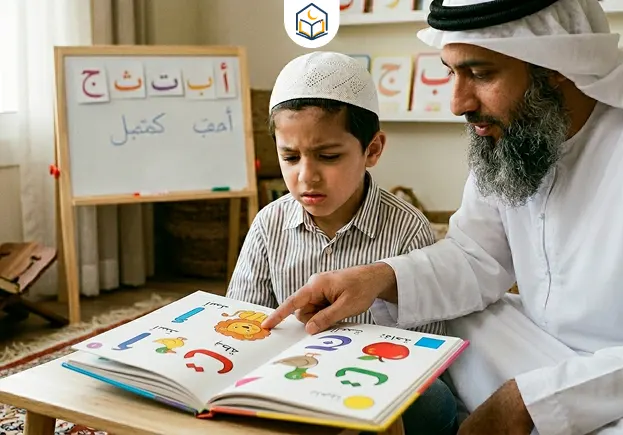
There’s a particular moment I see again and again in early lessons.
A child has memorised the shapes. They can sing the letters in order. They proudly say, “Alif, Baa, Taa…” without hesitation.

Many UK parents imagine something vague when they hear the phrase How Online Quran Classes Work. A child in front of a laptop. A teacher somewhere abroad. Perhaps reading a few verses. Maybe correcting mistakes.
But that picture is incomplete.
Flexible online Quran classes for kids and adults — taught by certified teachers in the UK.
Choose morning, evening, or weekend classes — whatever fits your routine.
Kids, adults, beginners, reverts — everyone is welcome.
Personalized lessons designed to match your goals.
Start with two free classes — no commitment needed.
